
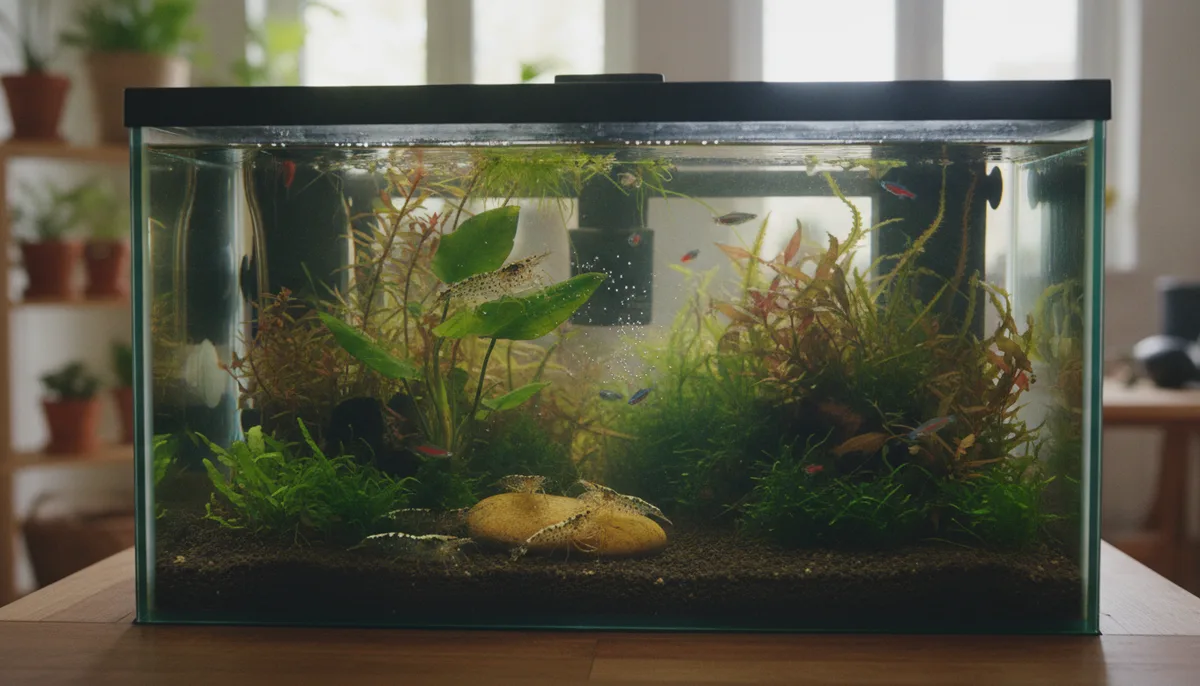
Amano Shrimp Care Guide: The Planted Tank’s Most Industrious Algae Eater
In the world of aquascaping, few creatures carry as much prestige as the Amano shrimp (Caridina multidentata). While many hobbyists are drawn to the vibrant reds of cherry shrimp or the striking patterns of crystal bees, the Amano shrimp is prized for its utility. Named after the father of modern aquascaping, Takashi Amano, these industrious decapods were introduced to the hobby as the ultimate solution for maintaining pristine, algae-free planted environments.
Unlike many "ornamental" shrimp that spend their time hiding or grazing delicately on biofilm, Amano shrimp are the heavy lifters of the cleanup crew. They are bold, active, and possess a voracious appetite for types of algae that other species won't touch. However, keeping them successfully requires more than just dropping them into a tank and hoping for the best. To truly leverage their potential, you must understand their unique biological needs and behavioral quirks.
Understanding the Biology of Caridina multidentata
Amano shrimp are significantly larger and more robust than the common Neocaridina species. Reaching sizes of 1.5 to 2 inches (4–5 cm), they have a presence in the aquarium that smaller shrimp lack. Their coloration is subtle—a translucent body with a tan or gray-blue tint, often reflecting the colors of their environment or diet.
One of the most fascinating aspects of Amano shrimp is their physical marking system, which allows for easy sexing. Males are typically smaller and feature distinct, circular dots along the sides of their bodies. Females are larger, more "deep-bodied," and their markings resemble long dashes rather than dots. Because of their transparent shells, you can often see their internal organs and, in the case of mature females, a dark saddle of developing eggs or a "berried" underbelly full of thousands of tiny larvae.
It is important to note that while they are prolific egg-layers, they will not successfully breed in a standard freshwater setup. Their larvae require a transition into brackish water to survive their early life stages. This "breeding barrier" is actually a benefit for many hobbyists, as it prevents the shrimp population from exploding and overtaxing the tank's resources.
Setting Up the Ideal Amano Habitat
Amano shrimp are native to the cool, fast-flowing streams of Japan, Taiwan, and Korea. This origin makes them remarkably hardy and adaptable to a wide range of water parameters, but they do have specific preferences to thrive long-term.
Water Parameters and Mineral Content
Amano shrimp can tolerate temperatures ranging from 65°F to 82°F (18–28°C), making them suitable for both unheated indoor tanks and tropical setups. They prefer a pH between 6.0 and 8.0 and thrive in moderate to hard water.
The most critical aspect of their water chemistry is mineral content. Like all crustaceans, Amano shrimp must molt their exoskeletons to grow. If the water is too soft (lacking calcium and magnesium), they may suffer from "The White Ring of Death" or failed molts. If you have naturally soft water, it is essential to supplement with minerals.
The Importance of a Secure Enclosure
If there is one "warning" every Amano owner needs, it is this: they are world-class escape artists. In the wild, these shrimp are known to climb damp rocks to bypass waterfalls or move between pools. In the home aquarium, they will readily climb up airline tubing, power cords, or even the silicone in the corners of the tank.
If you are using one of the best rimless aquariums for a modern home aesthetic, you must be extra vigilant. Ensure that your water level isn't at the very brim, or better yet, utilize a tight-fitting glass lid with minimal gaps around the equipment.
The Algae Specialists: What Do They Actually Eat?
The primary reason hobbyists bring Amano shrimp into their ecosystem is for algae control. While many snails and fish only eat soft green algae or biofilm, Amano shrimp are much more versatile.
They are famous for consuming:
- Hair and Thread Algae: They will grab long strands of green algae and "knit" them into their mouths.
- Black Beard Algae (BBA): While not their first choice, a hungry group of Amanos is one of the few natural defenses against the dreaded BBA.
- Leftover Food: They are excellent scavengers that will clear out decaying plant matter and uneaten fish flakes from deep within the substrate.
To keep your shrimp focused on algae, it is often helpful to balance your lighting. If your tank is suffering from an explosion of growth, you might review the best LED aquarium lighting for planted tanks to ensure your PAR levels aren't overwhelming your nutrient balance. If there is too much "easy" fish food available, the shrimp may become lazy and ignore the algae entirely.
Diet and Nutrition Beyond Algae
While they are great cleaners, Amano shrimp should not be expected to live on algae alone, especially in very clean or newly established tanks. They have "bottomless stomachs" and require a varied diet to remain healthy and active.
They enjoy blanched vegetables like zucchini or spinach, but high-quality prepared foods are the best way to ensure they get the calcium necessary for molting.
When an Amano shrimp molts, you will find a ghostly, clear version of the shrimp at the bottom of the tank. Do not be alarmed—this is not a dead shrimp. It is just the old skin. It is actually best to leave the molt in the tank. The shrimp will eventually eat it to reclaim the minerals and use them to harden their new shell.
Choosing Compatible Tank Mates
Because Amano shrimp are larger and more "outgoing" than cherry shrimp, they can be kept with a wider variety of fish. They aren't easily intimidated and will often swim right up to the surface to grab a flake of food before the fish can get to it.
Ideal Tank Mates
- Small Community Fish: Tetras, rasboras, and zebra danios make excellent companions.
- Bottom Dwellers: Corydoras and kuhli loaches occupy the same space but generally ignore the shrimp.
- Other Invertebrates: They coexist peacefully with snails and most other dwarf shrimp, though they may outcompete smaller shrimp for food if resources are scarce.
Fish to Avoid
Avoid any fish large enough to fit a two-inch shrimp in its mouth. Even "peaceful" fish like Angelfish or larger Gouramis may decide a molting Amano shrimp is a tasty snack. Medium to large cichlids, goldfish, and large barbs should be strictly avoided.
Behavioral Quirks and the "Amano Army"
Watching Amano shrimp is a highlight of the hobby. Unlike many shy species, Amanos are incredibly active. You will see them constantly "fanning" their swimmerets and using their tiny claws to pick at every surface in the tank.
One interesting behavior is their "food theft." If you drop a sinking wafer into the tank for your catfish, don't be surprised to see an Amano shrimp swoop down, grab the entire wafer, and swim off to a high branch of driftwood to eat it alone. This "grab and go" tactic is a survival mechanism from their days in fast-flowing streams.
To get the most out of their cleaning abilities, most experts recommend keeping them in a group—often referred to as an "Amano Army." In a group of five or more, they become much bolder and more effective at tackling large patches of algae.
Conclusion: The Gold Standard for a Clean Tank
The Amano shrimp remains a staple of the aquarium hobby for good reason. They are the perfect bridge between a "pet" and a "utility worker." By providing them with mineral-rich water, a secure lid, and a balanced diet, you ensure these industrious scavengers will keep your planted tank looking its best for years. Whether you are battling a sudden outbreak of hair algae or simply want an active, hardy invertebrate to complete your community, the Amano shrimp is an investment that pays dividends in the health and beauty of your underwater world.