
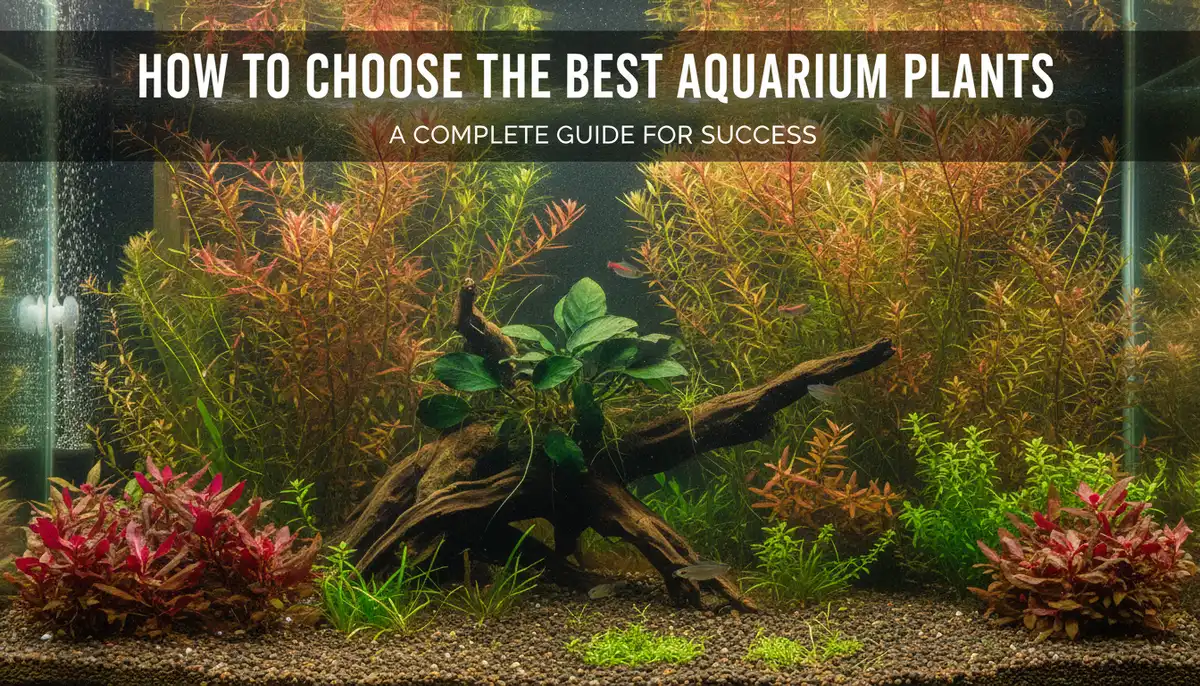
How to Choose the Best Aquarium Plants: A Complete Guide for Success
It is no secret that live plants provide a multitude of benefits to your fish, invertebrates, and the overall health of your aquarium. Beyond the immediate aesthetic appeal of bringing a slice of nature indoors, plants act as biological filters. They actively consume harmful waste compounds like nitrates, provide essential hiding spaces for shy species, and help oxygenate the water.
However, choosing the right plants for your specific setup is a deeply personal and often technical process. With the vast array of species available to modern hobbyists, the task can quickly become overwhelming. To build a successful underwater garden, you must look beyond just the "look" of a plant and consider its biological needs and growth habits. This guide will walk you through the critical factors of size, lighting, CO2, and maintenance to ensure your planted tank thrives.
Understanding Spatial Dynamics: Size and Placement
One of the most common mistakes beginners make is failing to account for the mature size of their plants. A plant that looks like a small sprout in a 2-inch pot at the local fish store may eventually dominate a 20-gallon tank. Paying attention to maturity heights helps prevent your aquarium from looking either too sparse or completely overgrown.
Foreground Plants: The "Carpet" Layer
Foreground plants are the smallest species, typically staying under 3 inches in height. These are essential for creating a sense of scale and providing a lush "lawn" look. A prime example is Cryptocoryne parva. This plant reaches a mature height of only 2-3 inches and has a notably slow growth rate. This makes it excellent for smaller aquariums or for filling in spots that are difficult to reach for trimming.
Midground and Background Plants: Adding Depth
Midground plants provide the transition between the front of the tank and the rear. They usually reach 4 to 10 inches in height. Background plants, however, are the "skyscrapers" of your aquascape. A mature Amazon sword (Echinodorus amazonicus) can quickly reach between 12 and 20 inches tall. Because of this, the Amazon sword is better suited for taller, larger aquariums where it can serve as a dramatic focal point without pressing against the front glass.
When selecting plants, it is helpful to categorize them by their intended position. For a natural appeal, choose a variety from each category. This layering technique hides equipment like heaters and filter intakes while creating a three-dimensional environment for your fish. To ensure you have the right equipment to house these larger setups, check out The Tank Keeper’s Master Buying Guide: Optimizing Your Home Aquarium Setup.
The Role of Lighting and PAR
Lighting is the engine that drives plant growth. The strength of your lighting determines which plants will survive and which will wither. When evaluating light, hobbyists often look at Photosynthetic Active Radiation (PAR), which measures how effective a light source is at stimulating photosynthesis at various depths.
Low Light vs. High Light Requirements
For those just starting, we recommend beginning with low-light requirement plants. These species are the most forgiving and are less likely to trigger massive algae blooms if your routine isn't perfectly balanced. Medium-light plants can also be kept with great success, though they may struggle if you need to dim the lights to control algae.
High-light plants often require specialized equipment and a more rigorous understanding of nutrient balancing. If you are interested in upgrading your setup to support more demanding species, you can find a breakdown of the Best LED Aquarium Lighting for Planted Tanks: Budget vs. Professional Grade to help you find the right balance of PAR and price.
The CO2 Debate: Is It Necessary?
A common misconception is that you need a pressurized CO2 system to have a beautiful planted tank. This is simply not true. While CO2 injection allows you to keep high-demand plants and results in much faster growth and more intense coloration, many of the most stunning aquariums are "low-tech" (non-CO2) setups.
CO2 is essentially "fuel" for plants. When you provide high lighting, plants want to grow faster, which means they need more carbon and nutrients. If you provide high light without CO2, you often end up with an algae farm because the plants cannot use the light efficiently. If you prefer a relaxed approach, sticking to low-light plants without CO2 is often the most enjoyable path.
Fertilizer and Maintenance Routines
Your choice of plants should align with how much time you want to spend maintaining the tank. Some hobbyists love the "gardening" aspect—trimming, replanting, and testing water parameters daily. Others want a beautiful display that requires minimal intervention.
Low-Maintenance Choices
If you have a busy schedule, you are the perfect candidate for low-light/low-fertilizer plants with slow growth rates. Species such as Anubias, various Cryptocoryne, and Java Ferns are ideal. These plants offer a wide variety of textures and colors but grow slowly enough that they don't require weekly pruning.
For these setups, a simple fertilization routine is usually enough. A once or twice weekly dose of an all-in-one liquid fertilizer ensures the plants have the micro and macronutrients they need to stay green.
High-Growth Management
For hobbyists who want to be more involved, fast-growing stem plants can be incredibly rewarding. These plants act as "sponges" for nutrients, but they require regular trimming to prevent them from blocking light to the plants below. In these high-growth scenarios, you may need to supplement specific nutrients. For example, if you notice pinholes in your leaves, it may be time for an extra dose of potassium.
Matching Plants to Your Livestock
While we often choose plants based on aesthetics, it is important to consider your fish. Large, boisterous fish like Goldfish or Cichlids may uproot delicate foreground "carpets" or eat soft-leaved plants. For these inhabitants, tougher plants like Anubias or Java Fern are better choices because they can be attached directly to rocks or driftwood, making them much harder to uproot.
Conversely, small shrimp and fry love dense, feathery plants like mosses or Hornwort, which provide endless hiding spots and surfaces for biofilm to grow. By matching the plant's physical structure to the needs of your livestock, you create a more harmonious and functional ecosystem.
Designing for Longevity
When you first plant your aquarium, it may look a bit sparse. It is tempting to over-plant immediately, but remember that these are living organisms that will expand. Choosing a mix of slow-growing "anchors" (like Anubias) and faster-growing "fillers" (like Water Sprite) can help you achieve a full look quickly while ensuring the tank remains manageable as it matures.
Always research the specific water parameters—such as temperature and pH—that your chosen plants prefer. While most common aquarium plants are adaptable, some specialized species may require cooler water or specific mineral content. Ensuring your hardware, such as your heater, is reliable is key to maintaining these stable conditions.
Final Checklist for Choosing Plants
Before you head to the store or place an order online, run through this quick checklist to ensure your choices make sense for your aquarium:
- Vertical Space: Will the plant outgrow the height of my tank?
- Lighting Match: Does my current light provide enough PAR for this species?
- Nutrient Demand: Am I prepared to fertilize as often as this plant requires?
- CO2 Requirement: Does this plant require CO2, or is it just recommended?
- Growth Rate: Do I have the time to prune this plant if it grows rapidly?
By taking the time to understand the unique requirements of each species, you move from simply "keeping" plants to truly "growing" them. A well-planned planted tank is a rewarding, ever-changing piece of living art that provides a healthier home for your aquatic pets and a peaceful focal point for your home.