
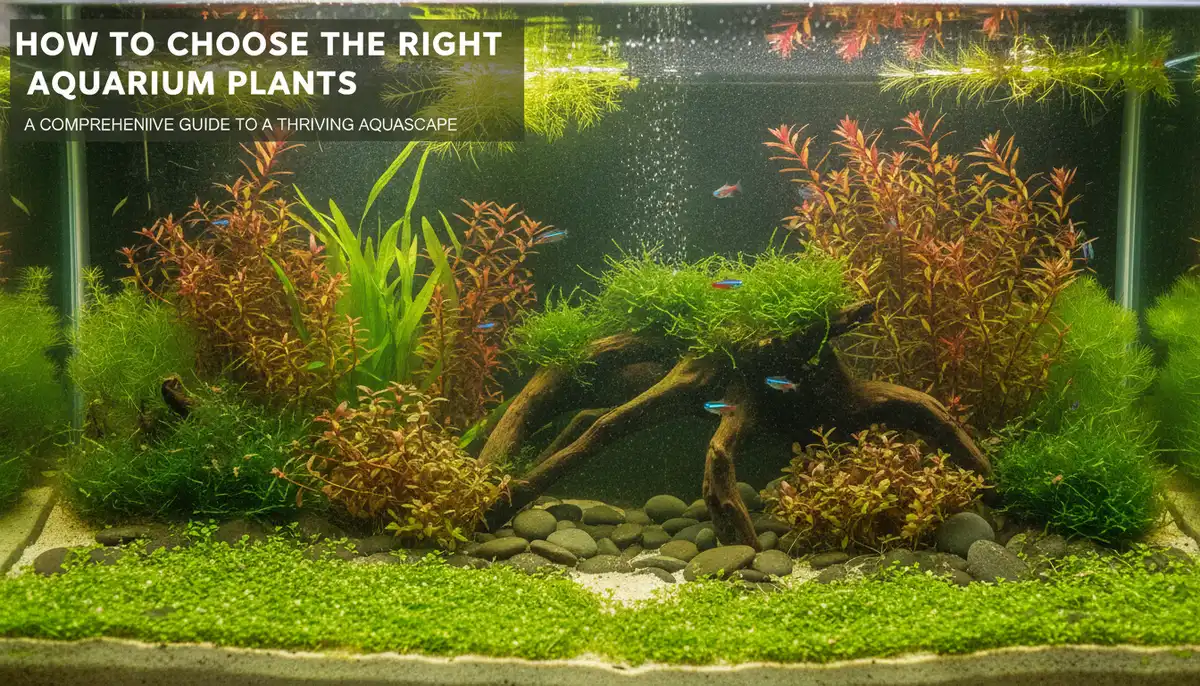
How to Choose the Right Aquarium Plants: A Comprehensive Guide to a Thriving Aquascape
The Foundation of a Living Ecosystem
It is no secret that live plants provide a multitude of benefits to your fish, invertebrates, and the overall health of your aquarium. Beyond their visual appeal, plants act as biological filters, consuming harmful waste compounds like nitrates that can otherwise stress your aquatic inhabitants. They provide essential hiding spaces for shy species and breeding grounds for shrimp and fry, creating a slice of nature indoors.
However, choosing the right plants for your specific setup is a deeply personal and technical process. With the vast array of species available to modern hobbyists, it is easy to feel overwhelmed. Success in the planted tank hobby isn't just about keeping plants alive; it’s about choosing species that fit your lifestyle, your hardware, and your long-term vision for the tank. This guide will walk you through the critical factors of size, lighting, and maintenance to ensure your underwater garden thrives.
Understanding Scale: Foreground, Midground, and Background
One of the most common mistakes beginners make is failing to account for the mature size of a plant. An aquarium plant that looks small in a nursery pot can quickly dominate a 20-gallon tank if it has a fast growth rate or a large maximum height.
Foreground Plants
These are the "carpeting" or low-profile plants. A prime example is Cryptocoryne parva. Reaching a mature height of only 2–3 inches, it is perfect for small aquariums or for filling in the front of a larger display. Because it grows slowly, it requires very little trimming and won't obscure the view of your fish.
Midground Plants
Midground plants provide the transition between the front and back of the tank. They often feature interesting textures or colors. When selecting these, look for species that stay in the 4–8 inch range to maintain a sense of depth.
Background Plants
These are the giants of the aquarium. A mature Amazon sword (Echinodorus amazonicus) can easily reach between 12 and 20 inches tall. While stunning, this plant is better suited for taller, larger aquariums where it can serve as a focal point without being cramped. For more tips on selecting the right equipment for these larger setups, see The Tank Keeper’s Master Buying Guide: Optimizing Your Home Aquarium Setup.
By sorting plants by their mature size, you can create a tiered "stadium seating" effect that makes the aquarium look more natural and prevents larger leaves from shading out smaller species.
Lighting Requirements and the Role of CO2
The strength of your lighting is perhaps the most significant "gatekeeper" in the hobby. Not all light is created equal, and understanding the needs of your plants will prevent the common cycle of plant melt and algae blooms.
Low Light Plants: The Beginner’s Choice
For those just starting, low-light requirement plants are the gold standard. They are incredibly forgiving and can thrive even if your lighting routine isn't perfectly dialed in. These species have adapted to lower energy environments and generally grow slower, meaning they don't demand high levels of nutrients or supplemental carbon.
Medium and High Light Requirements
Medium-light plants offer more variety but come with a "balancing act." If you need to turn your lights down to combat an algae outbreak, medium-light plants may begin to struggle.
High-light plants often require the supplementation of CO2 (carbon dioxide) to thrive. While you do not need CO2 to have a beautiful tank, it acts as an accelerator. In high-light environments, plants photosynthesize rapidly; without supplemental CO2, they may run out of "fuel," leading to stunted growth and giving algae an opportunity to take over. If you are looking to invest in a high-end lighting system to support these plants, check out our review of the Best LED Aquarium Lighting for Planted Tanks: Budget vs. Professional Grade.
Understanding PAR
When evaluating lights, look for the PAR (Photosynthetic Active Radiation) value. This is a measurement of how effective the light is at actually growing plants, rather than just how bright it looks to the human eye. Higher PAR values at the substrate level are necessary for demanding foreground "carpeting" plants.
Fertilizer and Maintenance Routines
Your choice of plants should align with how much time you want to spend working on your tank. Some hobbyists enjoy the "zen" of weekly pruning, while others prefer a low-maintenance approach.
The Low-Maintenance Strategy
If you have a busy schedule, focus on plants like Anubias, Crypts, and Ferns. These species are slow-growing and have low nutrient requirements. They are perfectly happy with a simple fertilization routine. A once or twice weekly dose of an all-in-one liquid fertilizer is usually sufficient to keep these plants healthy.
For these setups, you may also want to supplement with potassium if you notice pinholes in the leaves of your plants.
The High-Growth Strategy
If you prefer a lush, jungle-like appearance that requires frequent "gardening," stem plants are your best friend. These plants grow rapidly, consuming nutrients at a high rate. While they require more frequent pruning to prevent them from taking over the surface of the water, they are excellent at keeping nitrates low and providing a dynamic, ever-changing landscape.
Water Chemistry and Stability
While many aquarium plants are adaptable, some have specific preferences for water hardness and temperature. Most tropical plants thrive in temperatures between 72°F and 82°F. Ensuring your heater is reliable is vital for preventing "melt," where a plant sheds its leaves due to environmental shock. For a deep dive into reliable heating, you might find our Eheim Jager Heater Review helpful.
Additionally, consider the substrate. While some plants (like Anubias and Java Fern) should be attached to driftwood or rocks because they take nutrients from the water column, others (like Amazon Swords and Crypts) are "root feeders." These plants benefit significantly from a nutrient-rich substrate or the addition of root tabs placed directly under their root systems.
Practical Steps for Choosing Your Plants
To make the decision-making process easier, follow this checklist before your next trip to the local fish store or online shop:
- Measure Your Tank Height: Ensure your background plants won't be constantly bent over at the surface.
- Assess Your Light: Is your light a "kit" light (usually low light) or a dedicated plant light (medium to high)?
- Decide on CO2: Are you willing to manage a pressurized CO2 system? If not, stick to low-to-medium light species.
- Evaluate Your Schedule: Do you want to prune every week or every three months?
- Check the Source: Purchase from reputable sources that categorize plants by size and difficulty to ensure you know exactly what you are getting.
Conclusion: Creating Your Natural Masterpiece
Choosing plants for your aquarium is a journey of discovery. It’s about finding the balance between the biology of the plants and the aesthetics of your home. By starting with a foundation of low-light, hardy species and gradually working your way toward more demanding plants as your confidence grows, you can ensure a rewarding experience.
Remember, a planted tank is a living, breathing entity. It will change over time as plants grow, spread, and interact with one another. Whether you choose a minimalist layout with slow-growing Anubias or a high-tech Dutch-style garden, the presence of live greenery will undoubtedly make your aquarium a healthier and more beautiful home for your fish.