
How to Cycle Your First Aquarium Without the Stress: A Step-by-Step Guide
Disclosure: This post contains affiliate links. If you click through and make a purchase, I may earn a commission at no additional cost to you. I only recommend products that meet the high standards of The Tank Keeper community.
What Does it Mean to "Cycle" an Aquarium?
To "cycle" an aquarium means to establish a biological filter—a colony of beneficial bacteria that converts toxic waste into safer compounds. This process, known as the Nitrogen Cycle, ensures that the ammonia produced by fish waste and leftover food doesn't reach lethal levels.
For most home hobbyists, a successful cycle takes anywhere from four to eight weeks, though this can be shortened using specialized bacterial starters. You will know your tank is cycled when your water tests show 0ppm Ammonia, 0ppm Nitrite, and a readable amount of Nitrate.
---
The Beginner’s Guide to a Stress-Free Start
If you are reading this, you’ve likely just brought home a beautiful new glass box and are eager to see life swimming inside. It is tempting to add fish immediately, but "parenting" your aquatic life starts with patience. Think of cycling as preparing a nursery; you want the environment to be perfectly safe before the new arrivals move in.
This guide is designed for the busy homeowner. We know you have a job, a family, and a schedule to keep. You don’t need to be a chemist to succeed; you just need a reliable routine and the right tools.
Choosing Your Method: Fish-less vs. Fish-in
There are two primary ways to cycle a tank. While both work, one is significantly more "peaceful" for both you and the fish.
| Feature | Fish-less Cycling (Recommended) | Fish-in Cycling | | :--- | :--- | :--- | | Safety for Fish | 100% Safe (No fish present) | High Risk (Stressful for fish) | | Effort Level | Low (Weekly testing) | High (Daily water changes) | | Speed | 4-6 Weeks | 2-4 Weeks | | Best For | Beginners & Busy Schedules | Experienced keepers with hardy species |
#### Why Fish-less is Best for the Home Hobbyist We strongly recommend the Fish-less Cycle. It allows you to make mistakes without risking the lives of your future pets. You simply provide a source of ammonia (like fish food or pure ammonium chloride) and let nature take its course while you go about your daily life.
---
Step-by-Step: How to Cycle Your Aquarium
#### 1. Set Up Your Hardware Before you can grow bacteria, you need a place for them to live. Most of your beneficial bacteria will reside in your filter media and substrate.
- Pro Tip: If you are still choosing your gear, check out /articles/the-tank-keeper-s-master-buying-guide-optimizing-your-home-aquarium-setup for a breakdown of equipment that fits a modern home.
- Ensure your filter is running 24/7. Bacteria need oxygenated water to thrive. For a bedroom or living room setup, choosing one of /articles/the-best-quiet-aquarium-filters-for-a-peaceful-living-room will ensure the process doesn't disturb your peace.
#### 2. Add an Ammonia Source Bacteria need "food" to grow. In a fish-less cycle, you can:
- The "Ghost Feeding" Method: Drop a few flakes of fish food into the tank daily. As they decay, they release ammonia.
- Pure Ammonia: Add liquid ammonium chloride (available at specialty fish stores) to reach a concentration of 2-4 ppm.
#### 3. Introduce Beneficial Bacteria To speed up the process, use a Bacterial Starter (such as Seachem Stability or FritzZyme 7). These products contain live nitrifying bacteria that "seed" your filter, potentially cutting your wait time in half.
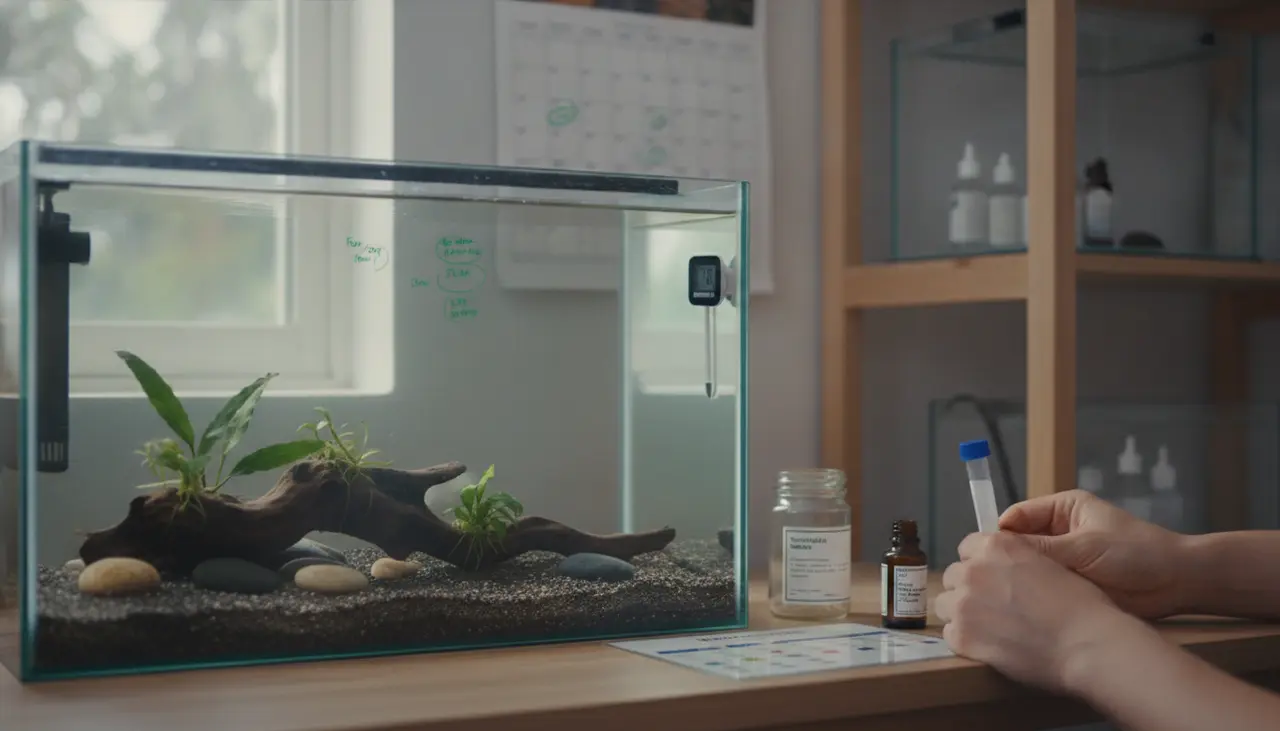
#### 4. Monitor and Test This is the part that requires a bit of "parenting." Once a week (or every few days if you’re curious), use a liquid test kit like the API Freshwater Master Test Kit.
- Week 1-2: You will see Ammonia levels rise.
- Week 2-4: Ammonia will begin to drop, and Nitrites will appear. Nitrites are also toxic, so don't add fish yet!
- Week 4-6: Nitrites will drop to zero, and Nitrates will appear.
#### 5. The Finish Line Your tank is officially cycled when your tests read:
- Ammonia: 0 ppm
- Nitrite: 0 ppm
- Nitrate: 5-20 ppm
Perform a 25-50% water change to lower the Nitrates, and you are ready to slowly introduce your first fish!
---
Common Beginner Mistakes to Prevent
- Cleaning Filter Media with Tap Water: Chlorine kills the very bacteria you just worked so hard to grow. Always rinse sponges in a bucket of used tank water.
- Changing the Filter Cartridge: Most manufacturers tell you to replace cartridges monthly. Don't do it. This throws away your bacteria. Instead, gently rinse the cartridge and only replace it when it is literally falling apart.
- Adding Too Many Fish at Once: Even a cycled tank has a limit. Add 2-3 fish at a time to allow the bacteria colony to grow and meet the new demand.
- Overfeeding: Excess food leads to ammonia spikes that can overwhelm a young biological filter.
---
FAQ: Frequently Asked Questions
Can I speed up the cycle with old filter media? Yes! This is the "Gold Standard." If you have a friend with a healthy, established tank, ask for a piece of their used filter sponge. Placing this in your new filter can cycle a tank in as little as a few days.
Why is my water cloudy? This is likely a "Bacterial Bloom." It is very common in new tanks and usually looks like white milkiness. It is harmless and will clear up on its own as the environment stabilizes. Resist the urge to do massive water changes to fix it!
Do I need to leave the lights on? No. Bacteria don't need light to grow, but algae does. Keeping the lights off during the cycling phase can help prevent an early algae breakout.
---
Final Thoughts
Cycling your aquarium is the first step in a rewarding journey. By taking it slow and understanding the science behind the nitrogen cycle, you are setting yourself up for a peaceful, low-maintenance hobby rather than a series of emergencies.
Remember, you aren't just keeping fish; you are managing an ecosystem. For more tips on maintaining that balance, explore our guide on /articles/the-future-of-fishkeeping-conservation-advocacy-and-the-modern-aquarist to see how your home hobby connects to the larger world of aquatic care.