
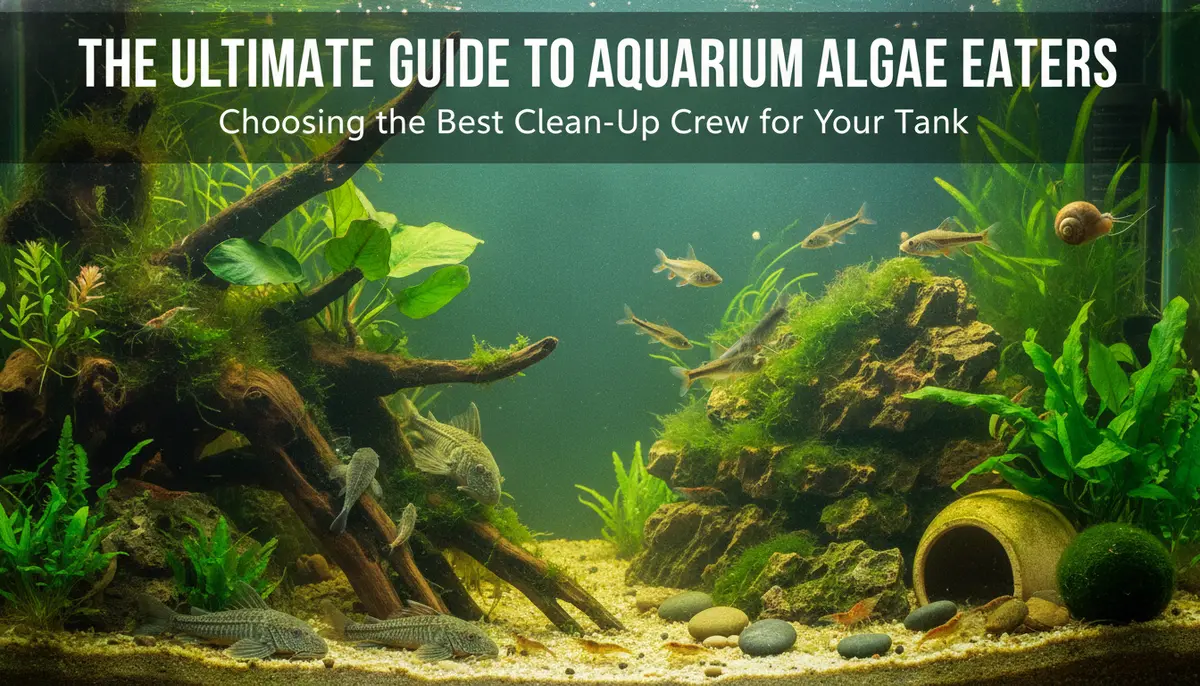
The Ultimate Guide to Aquarium Algae Eaters: Choosing the Best Clean-Up Crew for Your Tank
Algae eaters are more than just functional tools; they are staple inhabitants in many aquariums, serving a vital purpose within the ecosystem and often adding unique character to the community. These fish and invertebrates are constantly nibbling on algae, keeping your plants and hardscape clean, and picking up leftover food dropped by other fish.
However, adding a "clean-up crew" isn't a magic fix for a neglected tank. To successfully integrate these species, you must understand their specific needs, their eventual size, and the reality of their dietary requirements.
Setting Realistic Expectations for Algae Control
Before diving into specific species, it is important to recognize that algae is a natural part of the aquarium environment. Expecting a fish or invertebrate to do all the work for you isn’t realistic. The purpose of an algae eater in the aquarium ecosystem is to minimize the manual removal you have to do during maintenance sessions and to help keep algae from overtaking the aquarium.
Algae eaters do not completely replace other methods of algae control, and they shouldn’t be expected to. If your tank is experiencing an overwhelming bloom, it is often a sign of an imbalance in nutrients or lighting. For instance, choosing the right Best LED Aquarium Lighting for Planted Tanks: Budget vs. Professional Grade can help you find a balance that promotes plant growth without fueling excessive algae.
Choosing Algae Eaters Based on Tank Size
One of the first things to consider when adding any livestock to the aquarium is how well they will fit—not just today, but when they are fully grown. A common mistake among hobbyists is purchasing species like Siamese algae eaters as juveniles, only to have them quickly outgrow their tank. Always choose an algae eater that will thrive in your aquarium for its entire lifespan.
Best Options for Small Aquariums (5–15 Gallons)
In nano tanks, space and bioload are your primary constraints. You want inhabitants that are efficient but small.
- Amano Shrimp: These are arguably the best algae-eating shrimp in the hobby. They are hardy and have a voracious appetite for various types of algae, including the dreaded hair algae.
- Nerite Snails: These snails are famous for their ability to scrub glass and hardscape clean. An added benefit is that they cannot reproduce in freshwater, so you won't end up with a population explosion.
- Pinocchio Shrimp: A unique-looking shrimp with a long rostrum, these are excellent for picking through fine-leaved plants.
- Hitchhiker Snails: Don't overlook Ramshorn and bladder snails. While often considered pests, they are beneficial parts of your cleanup crew and often arrive as free hitchhikers on live plants.
Mid-Sized Community Solutions (20–40 Gallons)
With more water volume, you can introduce active fish that double as algae controllers.
- Platies and Mollies: These colorful livebearers are constantly picking at filamentous algae and detritus. They are great for mid-size community tanks because they also help clean up fallen food.
- Otocinclus Catfish: Often called "Otos," these small catfish are dedicated biofilm and surface algae eaters. They are best kept in schools to ensure they feel secure.
- Panda Garras: These are incredibly personable fish that love to graze on flat surfaces. They are known for their "social" behavior and will often nibble on the hands of the hobbyist during maintenance.
- Stiphodon Gobies: These bottom-dwellers are fascinating to watch and excel at keeping rocks and glass clear of green dust algae.
Heavy Hitters for Large Aquariums (40+ Gallons)
In larger setups, you have the room to house species that are both larger and more active.
- Siamese Algae Eater (SAE): A classic choice for large tanks. SAEs are active, personable, and fun to watch. They are one of the few fish that will consistently eat black brush algae (BBA). However, they need plenty of swimming room and can become territorial if the tank is too small.
- Rosy Barbs: If you are looking for a colorful schooling fish, Rosy Barbs are a great choice. They are hardy and have a surprising appetite for hair algae, making them a great match for mid-size and semi-aggressive community fish.
Beyond Algae: Essential Dietary Needs
It is a common misconception that algae eaters can survive solely on the "waste" or natural growth in a tank. In reality, algae eaters require more than just algae in their diet to stay healthy long-term.
The Role of Natural Materials
Many algae-eating species, particularly certain catfish and shrimp, need natural materials like real driftwood and botanical matter to aid their digestion.
Catappa leaves (Indian Almond leaves) are also highly recommended. As these leaves break down, they create a biofilm that shrimp and snails love to graze on, providing essential nutrients that aren't found in standard fish flakes.
Mineral Supplements and Specialized Foods
For invertebrates like snails and shrimp, water chemistry and mineral availability are crucial. They require calcium and other minerals to ensure healthy shell growth and successful molting.
To ensure your fish are getting a balanced diet, you should supplement with high-quality sinking foods.
- Gel Foods: Products like Repashy are excellent because they can be smeared on rocks or wood, mimicking the natural grazing behavior of these fish.
- Sinking Wafers: These are specifically formulated to reach the bottom-dwellers before the top-dwelling fish can eat them.
- Small Granules: Foods that settle on surfaces, such as Magic Small Fish Feed, are great for adding protein and important vitamins to the diets of your cleanup crew.
Creating the Right Environment
An algae eater is only as effective as the environment it lives in. If you are housing them in a high-tech setup, ensure your equipment is up to the task of maintaining stable parameters. For instance, keeping a consistent temperature is vital for the metabolic health of fish like Otocinclus. You can read more about reliable heating in our Eheim Jager Heater Review: Is This Classic Still the Gold Standard?.
Furthermore, consider the layout of your tank. Many algae eaters, particularly gobies and garras, come from fast-moving streams. They appreciate high oxygen levels and surfaces (like smooth stones) where they can graze. If you are still in the planning stages of your setup, our The Tank Keeper’s Master Buying Guide: Optimizing Your Home Aquarium Setup provides a comprehensive look at how to choose the right components for a thriving ecosystem.
Summary of the Best Algae Eaters by Category
| Tank Size | Recommended Species | Primary Target | | :--- | :--- | :--- | | Nano (5-15 gal) | Nerite Snails, Amano Shrimp | Glass algae, Hair algae | | Medium (20-40 gal) | Otocinclus, Mollies, Panda Garra | Biofilm, Filamentous algae | | Large (40+ gal) | Siamese Algae Eater, Rosy Barbs | Black Brush Algae, Hair algae |
Final Thoughts on the Clean-Up Crew
Adding the right clean-up crew to your tank can be very rewarding, both for the health of your plants and the visual appeal of your aquarium. By selecting species that fit your tank size and providing them with the necessary dietary supplements, you create a sustainable environment where your fish can thrive.
Remember that your local fish store may have a variety of species not listed here. Do a little digging and visit your local shop to see what they might have in stock; you might be surprised by the variety of gobies, snails, and unique shrimp available to help you keep your tank in peak condition. Always prioritize the long-term health of the animal over the short-term convenience of algae removal, and you will enjoy a much more successful aquarium hobby.