
Creating a Thriving Home Aquarium Environment
Practical fish tank setup guides, equipment reviews, and maintenance routines designed for the busy hobbyist seeking a healthy aquatic home.
How long should I leave my aquarium lights on each day?
For most home aquariums, a lighting period of 8 to 10 hours is ideal. If you have a planted tank, aim for the higher end of that range; if you are struggling with algae, reducing the cycle to 6 or 7 hours can help regain balance. Using a simple plug-in timer is the most effective way to ensure consistency without adding to your daily to-do list.
Start with the decision you need to make
A supportive resource for home aquarium hobbyists that balances technical accuracy with realistic life management.
The Nitrogen Cycle Explained
Part of the Fluval knowledge map for Homeowners and hobbyists who value a peaceful aquatic environment but need realistic, time-efficient maintenance strategies and reliable gear recommendations..
Choosing Your First Aquarium
Part of the Eheim knowledge map for Homeowners and hobbyists who value a peaceful aquatic environment but need realistic, time-efficient maintenance strategies and reliable gear recommendations..
Water Testing and Chemistry Basics
Part of the Nitrogen Cycle knowledge map for Homeowners and hobbyists who value a peaceful aquatic environment but need realistic, time-efficient maintenance strategies and reliable gear recommendations..
Essential Maintenance Schedule
Part of the Canister Filter knowledge map for Homeowners and hobbyists who value a peaceful aquatic environment but need realistic, time-efficient maintenance strategies and reliable gear recommendations..
Aquarium Lighting Guide
Part of the Substrate knowledge map for Homeowners and hobbyists who value a peaceful aquatic environment but need realistic, time-efficient maintenance strategies and reliable gear recommendations..
Filtering Options for Home Tanks
Part of the Reverse Osmosis knowledge map for Homeowners and hobbyists who value a peaceful aquatic environment but need realistic, time-efficient maintenance strategies and reliable gear recommendations..
Names identify subjects we research and do not imply sponsorship, endorsement, or affiliation.
Worth Comparing Categories
Latest Handbooks & Guides
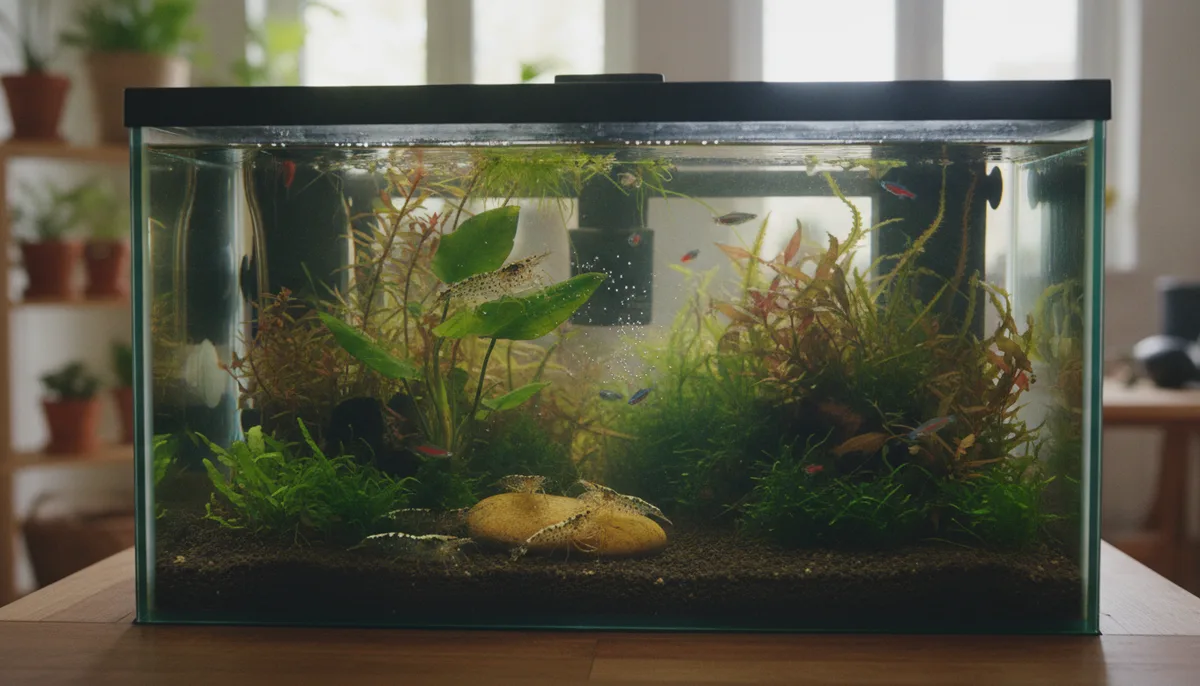
Amano Shrimp Care Guide: The Planted Tank’s Most Industrious Algae Eater
Discover the secrets to keeping Amano shrimp healthy. From mastering water parameters to choosing the right......
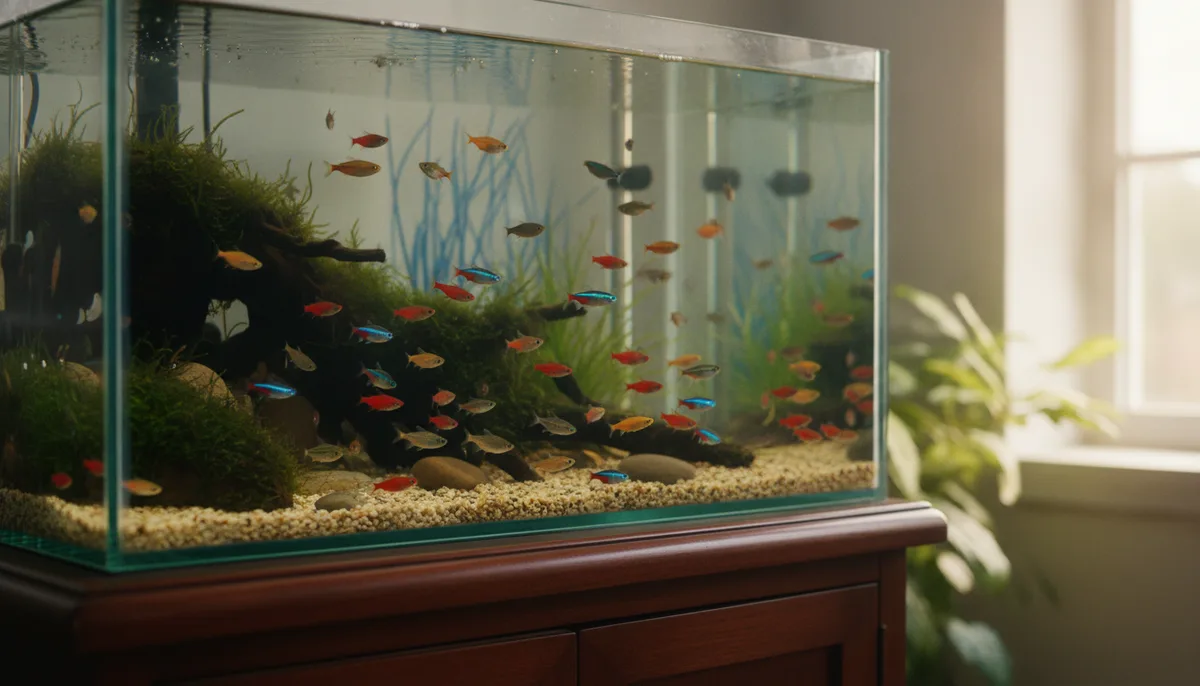
Beyond Tetras: The Ultimate Guide to the Best Rasboras for Your Aquarium
Explore the vibrant world of rasboras, from the iconic Harlequin to the tiny Chili Rasbora. Learn how to......
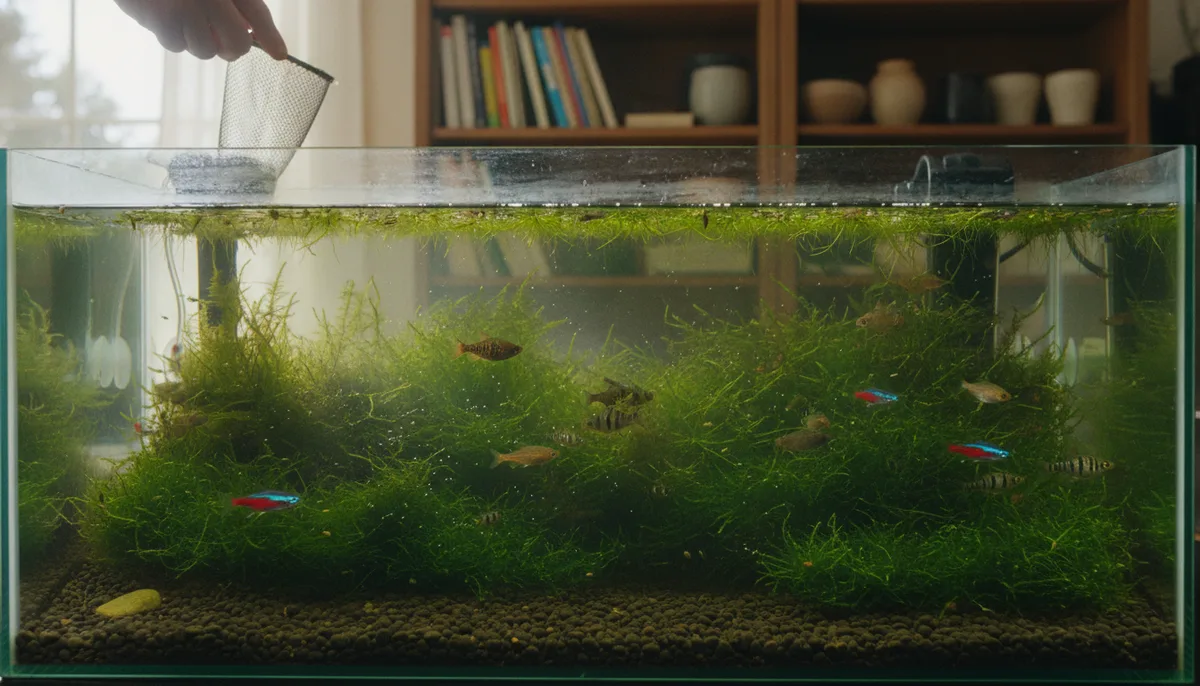
Master the Art of Breeding Egg Scatterers: A Guide for Tetras, Danios, and Barbs
Breeding egg-scattering fish like tetras and barbs is a rewarding challenge. Learn how to protect eggs from......
The decisions this site is built to answer
| Comparison | Search intent | What the guide evaluates |
|---|---|---|
| Canister vs HOB filters for living room tanks | best 20 gallon tank kit for beginners | Specs, total fit, tradeoffs, and buyer priorities |
| LED vs T5 lighting for planted aquariums | quietest aquarium air pump for bedrooms | Specs, total fit, tradeoffs, and buyer priorities |
| Sand vs Gravel substrate for bottom dwellers | best canister filter for 55 gallon tank | Specs, total fit, tradeoffs, and buyer priorities |
| Glass vs Acrylic tanks for home offices | smart aquarium heaters with wifi | Specs, total fit, tradeoffs, and buyer priorities |
| Fluval FX6 vs Eheim Classic for large systems | low light aquarium plants for sale | Specs, total fit, tradeoffs, and buyer priorities |
What first-time buyers commonly miss
- Adding too many fish at once before the tank cycles
- Overfeeding, leading to ammonia spikes
- Neglecting weekly water changes
- Using untreated tap water
- Cleaning the filter media with chlorinated water
Useful analysis without invented authority
Our reviews are based on deep analysis of manufacturer specifications, aggregation of user feedback from long-term owners, and practical assessment of product features against the needs of home hobbyists.
Some links on this site may be affiliate links. If you buy through those links, we may earn a commission at no extra cost to you. We use that support to keep building practical guides, comparisons, and reader-focused research.